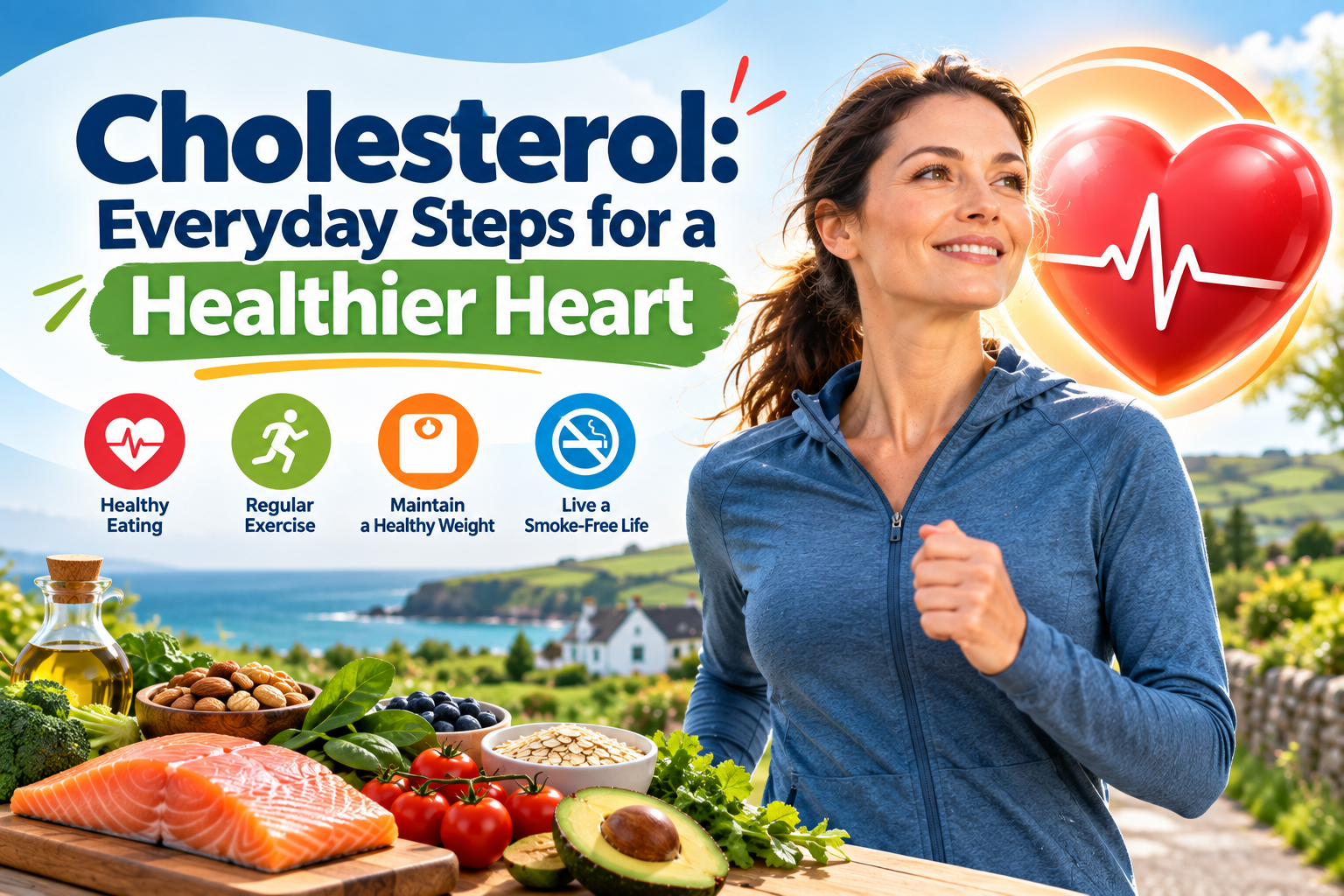
Looking after your cholesterol is an important part of protecting your heart. High cholesterol can develop without noticeable symptoms, so many people may not realise their levels are elevated until they have a blood test. Over time, excess cholesterol can contribute to narrowed arteries and increase the risk of heart disease and stroke.
For people living in Ireland, improving cholesterol does not always mean following a strict diet or making dramatic lifestyle changes. Simple choices, such as eating more fibre, choosing healthier fats, walking regularly and attending health checks, can support long-term heart health.
This guide explains how to understand cholesterol, make practical changes to your daily routine and know when to speak with your GP.
Why Is Cholesterol Important?
Cholesterol is a fatty substance that your body needs to function properly. It helps build cells and produce certain hormones. Your liver makes most of the cholesterol in your blood.
However, too much low-density lipoprotein (LDL) cholesterol can contribute to fatty deposits inside your arteries. These deposits may gradually narrow the arteries and restrict blood flow.
High-density lipoprotein (HDL) cholesterol helps transport cholesterol back to the liver. Although HDL is often called good cholesterol and LDL bad cholesterol, your overall cardiovascular risk depends on more than one number.
High cholesterol is associated with several health risks, including coronary heart disease, heart attacks and strokes. Your blood pressure, age, family history, smoking status and other medical conditions also affect your risk.
The HSE provides further information about high cholesterol and its causes at:
Five Everyday Food Changes to Support Healthy Cholesterol
Your daily diet can influence cholesterol levels. One important step is to replace foods high in saturated fat with foods containing unsaturated fats and fibre.
1. Choose Oats and Wholegrains
Oats are a practical breakfast option for busy mornings. Porridge made with milk or an unsweetened fortified alternative can be topped with berries, sliced apples or a small portion of nuts.
Oats contain soluble fibre, which can help lower LDL cholesterol when eaten regularly as part of a balanced diet.
Other useful options include wholegrain bread, brown rice, wholewheat pasta and high-fibre cereals. Check food labels to compare fibre content and saturated fat levels.
2. Eat More Beans and Lentils
Beans, lentils and chickpeas are affordable sources of fibre and plant-based protein. They can be added to soups, stews, salads, curries and pasta dishes.
For example, try replacing some minced meat in a homemade meal with lentils. This can increase fibre intake and reduce the amount of saturated fat, depending on the ingredients used.
Tinned beans and lentils are convenient options. If they are stored in salty liquid, draining and rinsing them can help reduce some of the salt.
3. Replace Some Saturated Fats
Butter, cream, fatty cuts of meat, sausages, pastries and some biscuits can contain high amounts of saturated fat. Eating these foods frequently may raise LDL cholesterol.
Instead, consider using small amounts of olive or rapeseed oil, choosing leaner meat and eating nuts or seeds in suitable portions.
You do not need to eliminate all fat from your diet. The aim is to choose healthier sources more often and maintain a balanced eating pattern.
4. Include Fish Regularly
Salmon, sardines, mackerel and trout provide omega-3 fatty acids. These fats can help lower triglycerides, another type of fat measured in blood tests.
Try including fish in meals regularly, alongside vegetables and wholegrains. If you do not eat fish, ask your GP or a registered dietitian about suitable alternatives for your dietary needs.
5. Eat Plenty of Fruit and Vegetables
Aim to include a variety of fruit and vegetables throughout the day. Apples, pears, berries, carrots, broccoli, peas and leafy greens provide fibre and important nutrients.
Fresh, frozen and tinned options can all contribute to a balanced diet. Choose varieties without added sugar or excessive salt where possible.
For additional advice on healthier food choices, visit the Irish Heart Foundation:
Does Exercise Help Lower Cholesterol?
Regular physical activity supports heart health and can improve your overall cholesterol profile. It also helps manage weight, blood pressure and blood sugar.
Adults should generally aim for at least 150 minutes of moderate-intensity physical activity each week. This could include brisk walking, cycling, swimming or dancing.
You do not need to complete all your activity in one session. A 30-minute walk on five days of the week is one way to reach the recommended amount. Shorter periods of movement can also help you build a routine.
For people who spend much of the day sitting at a desk, try standing up regularly, taking a short walk during lunch or choosing the stairs when practical.
If you have a medical condition, experience symptoms during exercise or have been inactive for a long time, speak with your GP about a suitable starting point.
More guidance is available from the HSE:
Cholesterol Myths You Should Know
Myth 1: High cholesterol always causes symptoms.
High cholesterol usually has no obvious symptoms. A blood test is the way to check your levels.
Myth 2: Only older adults need cholesterol checks.
Cholesterol can be high at different ages. Family history, inherited conditions and certain medical problems may increase risk in younger adults.
Myth 3: Healthy eating always removes the need for medication.
Diet and exercise can help, but some people need medication because of inherited cholesterol problems or a higher risk of cardiovascular disease.
Myth 4: All foods containing cholesterol must be avoided.
The effect of food on blood cholesterol varies. Saturated fat intake is particularly important for many people. Eggs and other foods containing dietary cholesterol may still fit into a balanced diet, although individual advice can differ.
When Should You Get Your Cholesterol Checked?
Because high cholesterol often has no symptoms, consider discussing a blood test with your GP if you have risk factors such as a family history of early heart disease, diabetes, high blood pressure or previous cardiovascular problems.
Your GP can review your results alongside your wider health. There is no single target that is appropriate for everyone, and some people need more intensive cholesterol management than others.
If your cholesterol is high, your treatment plan may include lifestyle changes, prescription medication or both. Statins are commonly used to reduce LDL cholesterol and lower cardiovascular risk when clinically appropriate.
Do not stop prescribed cholesterol medication or start supplements as a replacement for treatment without speaking to your healthcare professional.
Conclusion
Managing cholesterol is an important part of maintaining a healthy heart. Small, consistent habits can help, including eating oats and other high-fibre foods, choosing healthier fats, eating more vegetables, staying active and avoiding smoking.
For people in Ireland, regular discussions with a GP can help identify high cholesterol and determine the most appropriate steps based on personal risk factors. Healthy lifestyle changes are valuable, but medication may also be necessary for some people.
Start with one or two achievable changes and build from there. Protecting your heart is a long-term process, and regular attention to cholesterol can be an important part of it.
