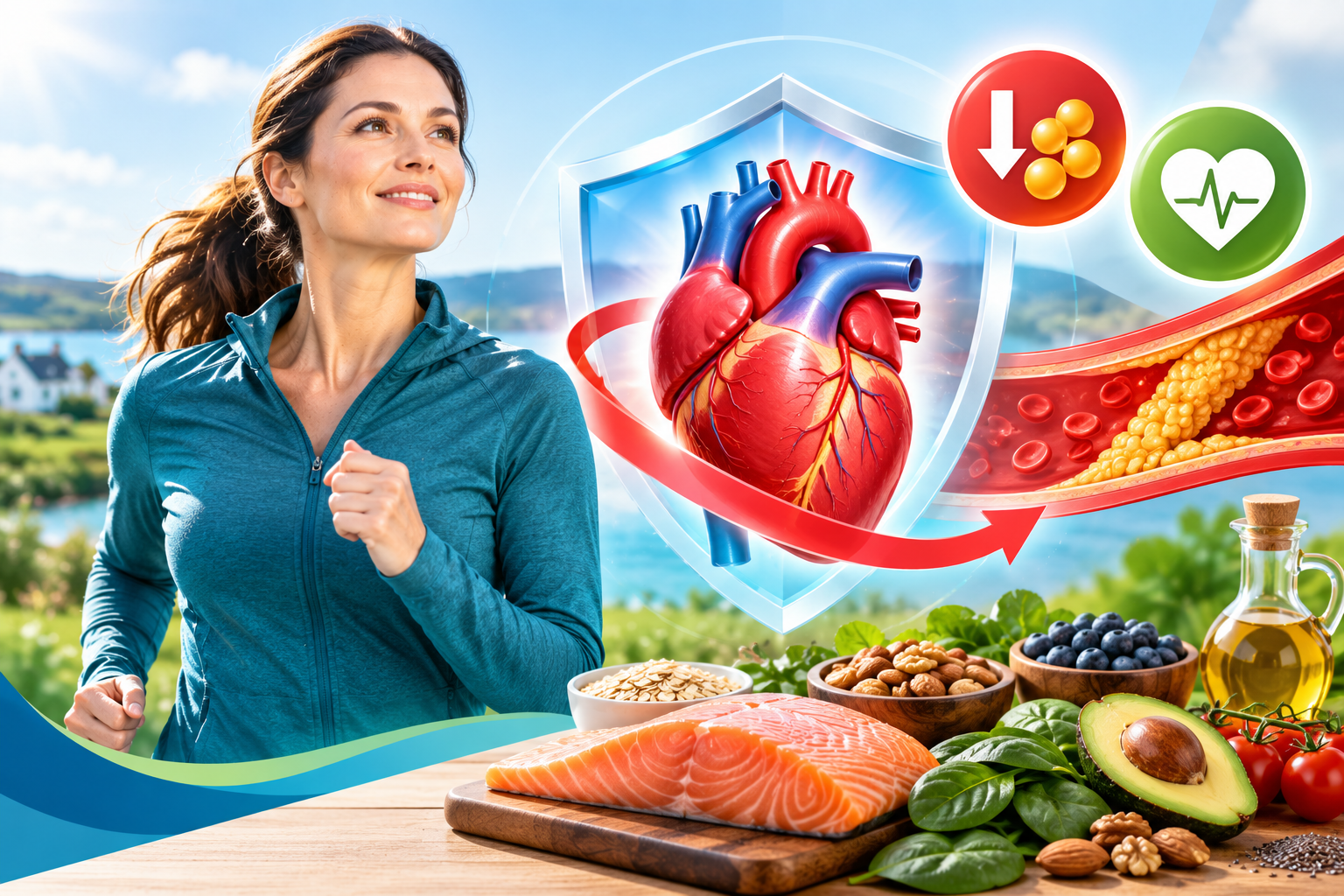
Cholesterol is an important part of the body’s normal functioning, but having too much cholesterol in your blood can increase your risk of heart disease and stroke. Many people in Ireland may have high cholesterol without knowing it because the condition usually causes no obvious symptoms.
Understanding cholesterol, making healthier food choices and staying physically active can help protect your heart. Regular check-ups with your GP can also help you identify potential problems early and understand whether lifestyle changes or medication may be needed.
This guide explains what cholesterol is, why it matters, how to recognise risk factors and what practical steps people in Ireland can take to support healthier cholesterol levels.
What Is Cholesterol?
Cholesterol is a fatty substance found in your blood. Your body needs it to build cells and produce certain hormones. Most cholesterol is made by your liver, although some also comes from food.
Problems can develop when cholesterol levels become too high, particularly when there is too much low-density lipoprotein (LDL) cholesterol. Excess LDL can contribute to fatty deposits building up inside arteries. Over time, these deposits can narrow the arteries and restrict blood flow to the heart or brain.
There are two main types of cholesterol:
- LDL cholesterol: Often called bad cholesterol because high levels can contribute to fatty deposits in the arteries.
- HDL cholesterol: Often called good cholesterol because it helps carry cholesterol back to the liver for processing.
Blood tests may also measure triglycerides, another type of fat in the blood that can contribute to cardiovascular risk.
A healthy cholesterol profile depends on several factors, including your age, medical history, family history and overall risk of cardiovascular disease. Your GP can explain what your results mean for your individual circumstances.
HSE — High cholesterol: https://www2.hse.ie/conditions/high-cholesterol/
Irish Heart Foundation — High cholesterol: https://irishheart.ie/heart-and-stroke-conditions-a-z/high-cholesterol/
What Causes High Cholesterol?
High cholesterol can develop for several reasons. Diet and lifestyle play a role, but genetics and certain medical conditions can also affect cholesterol levels.
Common risk factors include:
Eating too much saturated fat: Foods such as butter, cream, fatty meat, sausages, pastries, biscuits and some processed foods can raise LDL cholesterol when eaten frequently.
Lack of physical activity: Spending long periods sitting and getting little exercise can negatively affect cholesterol levels and overall heart health.
Smoking: Smoking damages blood vessels and contributes to cardiovascular risk.
Excessive alcohol consumption: Drinking too much alcohol can increase triglyceride levels and affect overall health.
Family history: Some people inherit a tendency to have high cholesterol. Familial hypercholesterolaemia is an inherited condition that can cause very high cholesterol from an early age.
Conditions such as diabetes, kidney disease and an underactive thyroid can also affect cholesterol.
The Health Service Executive (HSE) explains the causes of high cholesterol here:
How Can You Tell If Your Cholesterol Is High?
High cholesterol usually has no symptoms. You may feel completely healthy even when your levels are elevated. The only reliable way to find out is through a blood test.
If you live in Ireland, contact your GP to discuss a cholesterol check, particularly if you have diabetes, high blood pressure, a family history of heart disease or other cardiovascular risk factors.
Your doctor may arrange a lipid profile to measure total cholesterol, LDL cholesterol, HDL cholesterol and triglycerides. They will interpret the results alongside other factors, such as your age, blood pressure, smoking status and medical history.
There is no single cholesterol target that suits everyone. People who have already experienced a heart attack or stroke, or who have certain medical conditions, may need lower LDL levels than people at lower risk.
Do not wait for symptoms before asking about cholesterol testing. Prevention and early management are important for long-term heart health.
Foods That Can Help Manage Cholesterol
A balanced diet can help improve cholesterol levels, particularly when foods high in saturated fat are replaced with healthier alternatives.
Here are some practical choices for everyday meals in Ireland.
Choose more oats and wholegrains. Porridge, wholegrain bread, brown rice and wholegrain pasta provide fibre. Soluble fibre, found in oats and certain beans, can help reduce LDL cholesterol.
Eat more fruit and vegetables. Include apples, berries, oranges, carrots, broccoli, peas and leafy vegetables throughout the day.
Choose healthier fats. Replace butter and lard with small amounts of unsaturated oils, such as olive or rapeseed oil. Nuts, seeds and avocados also provide unsaturated fats.
Include oily fish. Salmon, sardines, mackerel and trout provide omega-3 fatty acids. Aim to include fish regularly as part of a balanced diet, following Irish dietary guidance.
Eat beans and lentils. These affordable ingredients can be added to soups, salads, curries and stews. They provide fibre and can replace some fatty meat in meals.
Reduce highly processed foods. Limit frequent portions of pastries, cakes, biscuits, fried foods and processed meats. Check food labels for saturated fat and compare similar products when shopping.
You do not need to remove every food you enjoy. Consistent, realistic changes are more sustainable than following a very restrictive diet.
Lifestyle Habits That Support Heart Health
Food is only one part of cholesterol management. Other everyday habits can make a difference to your overall cardiovascular health.
Stay physically active. Walking, cycling, swimming, dancing and other activities can support heart health. Adults should generally aim for at least 150 minutes of moderate-intensity activity each week, building up gradually if they are currently inactive.
Maintain a healthy weight. If you are carrying excess weight, gradual and sustainable changes may improve cholesterol and other cardiovascular risk factors.
Stop smoking. Quitting smoking benefits your heart and blood vessels. In Ireland, your GP or the HSE QUIT service can provide support.
Manage stress and sleep. Regular sleep, relaxation and enjoyable activities can support general wellbeing and help you maintain healthier routines.
Limit alcohol. Reducing alcohol intake can help manage triglycerides and support broader health goals.
Small steps can be effective. For example, walking during a lunch break, choosing porridge for breakfast or cooking an extra portion of vegetables at dinner can help build healthier habits.
When Is Cholesterol Medication Needed?
Lifestyle changes are important, but they may not be enough for everyone. Your GP may recommend medication if your cholesterol remains high or if your overall risk of heart disease or stroke makes treatment appropriate.
Statins are commonly prescribed medicines that reduce the amount of cholesterol produced by the liver. Other treatments may be considered depending on your cholesterol results, medical history and response to treatment.
Some people experience side effects from cholesterol medicines. If you have unexplained muscle pain, weakness or other concerns while taking medication, contact your GP. Do not stop prescribed treatment without discussing it with your healthcare professional.
People with inherited high cholesterol may need treatment even if they eat well and exercise regularly. Medication and lifestyle changes can work together to reduce cardiovascular risk.
For information about high cholesterol treatment in Ireland, visit:
Conclusion
Cholesterol is necessary for normal body function, but high levels can increase the risk of heart disease and stroke. Because high cholesterol often has no symptoms, regular blood tests and conversations with your GP are important, especially if you have a family history or other risk factors.
For people in Ireland, practical steps include eating more wholegrains, fruit, vegetables and beans, choosing healthier fats, exercising regularly, avoiding smoking and limiting alcohol. If lifestyle changes are not enough, appropriate medication can help manage cholesterol.
Start with small changes and seek personalised advice from your GP. Taking action today can help you protect your heart health over the long term.
